20 Aug 2026
Decoding Intersections Between Payline Structures and UK Regulatory Shifts in Mobile Casino Environments
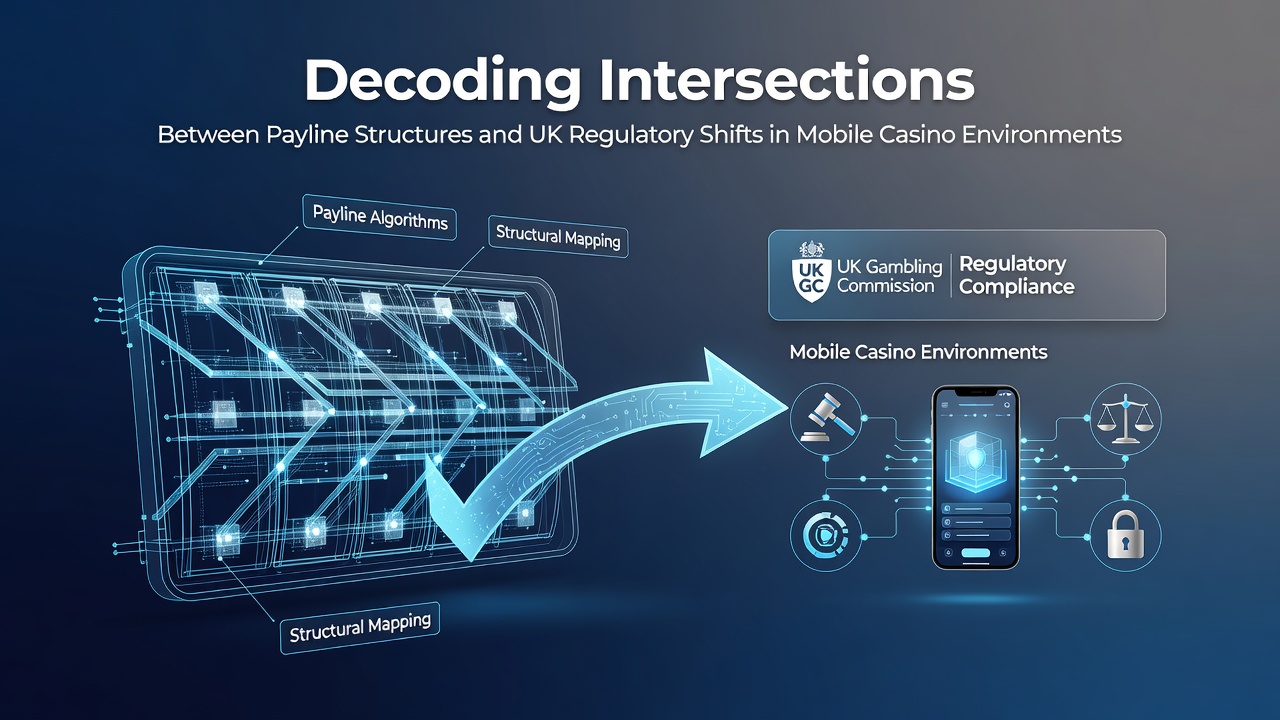
Payline structures in mobile casino environments continue to evolve alongside broader regulatory adjustments across the United Kingdom, creating direct impacts on game design, player engagement metrics, and compliance requirements that operators must address through 2026 and beyond. Mobile platforms have shifted from traditional fixed paylines toward dynamic systems such as Megaways and cluster pays, while regulators refine rules around game fairness, return-to-player percentages, and feature transparency.
Payline Mechanics in Contemporary Mobile Slots
Traditional paylines operated on fixed horizontal, vertical, or diagonal patterns across reel grids, yet modern mobile titles incorporate variable configurations that adjust based on bet size and bonus triggers. Researchers at academic institutions have documented how these mechanics influence session lengths, with data indicating that ways-to-win formats often extend play duration by 15 to 20 percent compared to classic setups. Observers note that mobile optimization plays a central role here because smaller screens demand simplified visuals that still convey complex winning combinations without overwhelming users during short commutes or breaks.
Recent UK Regulatory Adjustments and Their Timeline
Regulatory shifts in the United Kingdom have focused on stake limits, age verification protocols, and game speed restrictions, with several measures scheduled for phased implementation through August 2026. These changes affect how developers structure paylines because certain high-volatility configurations now require clearer disclosure of probability distributions. Industry reports show that operators have responded by integrating adjustable payline options that allow players to toggle between fixed and variable modes while maintaining compliance with transparency standards. Data from government agencies in comparable jurisdictions, such as those tracked by the Australian Communications and Media Authority, reveal similar patterns where mobile-specific rules accelerated the adoption of simplified reel layouts.
What's interesting emerges when examining how these rules intersect with mobile technology constraints. Screen real estate limitations push designers toward fewer visible paylines or hidden calculation systems that still deliver regulatory-compliant information to users upon request. Experts have observed that games released in late 2025 already preview features scheduled for broader rollout in August 2026, including mandatory tooltips that explain payline activation logic during bonus rounds.
Technical Intersections and Design Adaptations
Payline structures must now account for real-time regulatory checks that monitor spin frequency and total stake exposure on mobile devices. Developers achieve this through backend algorithms that cap certain multi-payline combinations when users approach defined thresholds. According to findings published in a study by the University of Nevada, Reno, such adaptive systems reduce the frequency of extended losing streaks by redistributing payline probabilities across sessions. Mobile environments amplify these effects because touch interfaces allow rapid bet adjustments that influence which paylines activate on each spin.
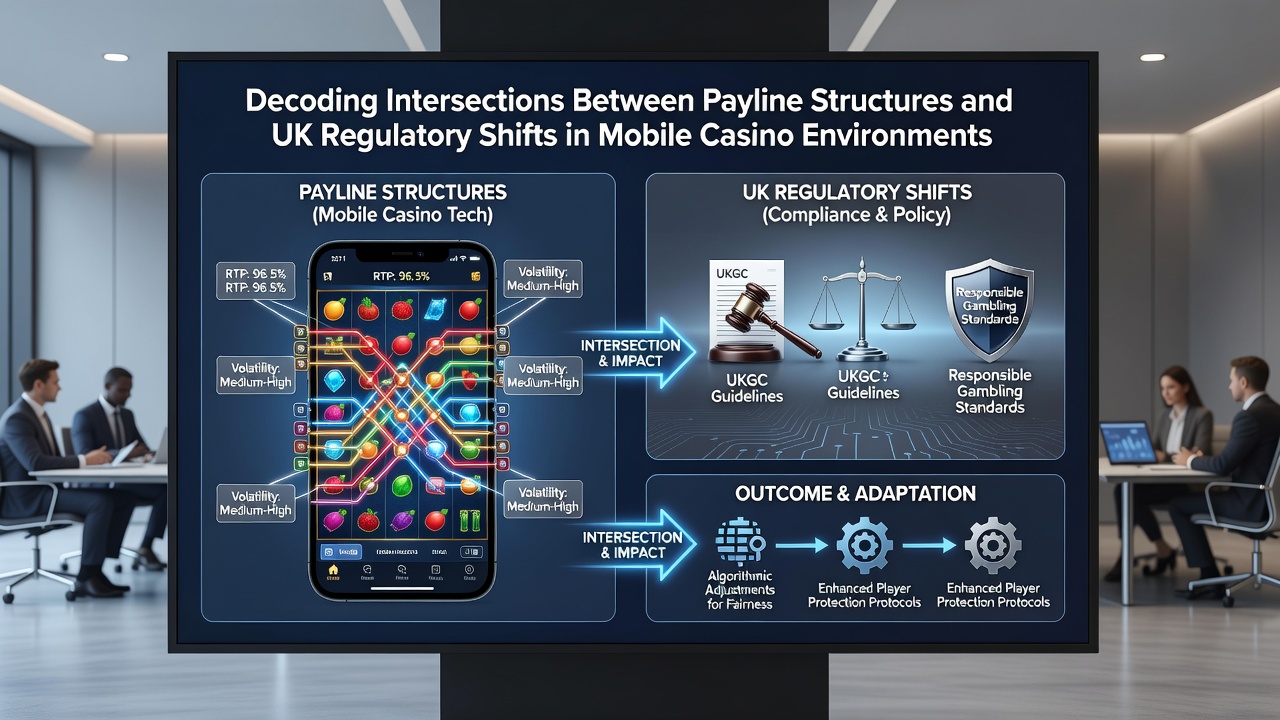
Case examples from operators demonstrate that cluster-pay mechanics, which bypass traditional line-based calculations entirely, have gained traction as a workaround that still satisfies disclosure rules. These formats treat symbol groups as independent of fixed lines, thereby simplifying compliance documentation while preserving visual appeal on smaller displays. Figures released by the Ontario Lottery and Gaming Corporation indicate that mobile titles using cluster systems experienced a 12 percent uptick in regulatory approval rates during the first half of 2025.
Data Trends and Compliance Outcomes
Statistics compiled across multiple markets show that regulatory emphasis on session time limits correlates with increased use of fewer but more transparent paylines. Operators report that players interact more frequently with information panels when payline rules appear in expandable menus rather than static help screens. This pattern holds steady across both iOS and Android environments, where loading times for detailed payline explanations must remain under two seconds to avoid user drop-off. Those who've studied these intersections note that the August 2026 deadline will likely accelerate further standardization of payline visualization tools across UK-licensed mobile platforms.
Additional adjustments include requirements for consistent random number generator certification that directly ties into payline outcome verification. When paylines multiply through cascading symbols or expanding reels, certification bodies demand separate testing protocols that add development time yet improve audit traceability. Evidence from industry associations suggests these protocols have already reduced dispute rates by measurable margins in jurisdictions that adopted them earlier.
Conclusion
The intersections between payline structures and UK regulatory shifts continue to shape mobile casino development through structured compliance pathways and technical adaptations. As August 2026 approaches, operators and developers align their designs with updated disclosure and fairness standards while preserving engaging gameplay across diverse mobile devices. Ongoing data collection from regulatory bodies and research organizations will determine the long-term effectiveness of these integrated approaches.